on the hunt for peanut soup

Cornelius found Rosalyn Carter’s recipe for peanut soup in this book.

I would be terribly remiss if I didn’t serve up an extra special peanut butter recipe this month. With winter nipping at our heels and holiday stress rearing its ugly head, only one thing will do: SOUP! Hearty, comforting peanut soup!
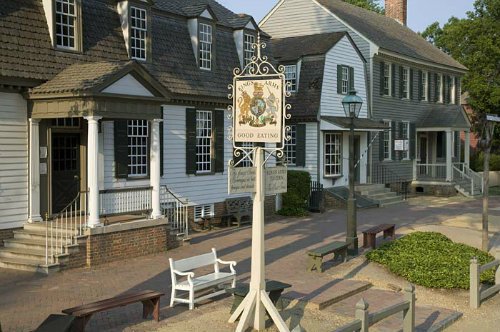
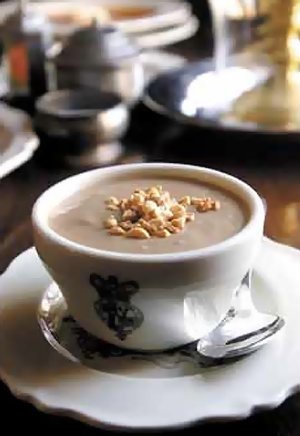
photo of King’s Arms Tavern via history.org
King’s Arms Tavern Cream of Peanut Soup

I had my first bowl of peanut soup at King’s Arms Tavern in Colonial Williamsburg back in the early 80’s. For our first Christmas in Virginia, it was positively magical savoring spoonfuls of rich creamy broth in a firelit 18th century dining room. I remember thinking it was odd to have soup made from peanuts, then being pleasantly surprised at the marvelous flavor.

I just learned this Southern favorite probably wouldn’t have been on the menu back in the 18th century. Peanut soups, mushes and stews were likely part of the slave diet, but peanuts would not gain national acceptance as something more than animal feed or simple fare until after the Civil War. Still, Jefferson did raise peanuts at Monticello, and Washington liked peanut soup enough to eat it daily as a first course.

Cornelius found the King’s Arms Tavern recipe for Cream of Peanut Soup in this book.

The earliest peanut soups prepared in this country were probably more stew-like; slave recipes may have been styled after tomato-based soups popular in central Africa or a Sudanese soup made with lamb bones, garlic and rice. Sarah Rutledge’s version (Carolina Housewife, 1847) included oysters.

Continue reading

friday feast: legume loving ladies

Well, we’re really in the thick of things now. When I first extended my invitation for peanut butter poems, little did I realize just how many of you nuts were actually out there! Nice to know I’m not the only one who likes to munch, crunch, slather and rhapsodize about America’s favorite spread!

Before we get to today’s poems, wanted to congratulate the one and only Joyce Sidman for receiving the 2013 NCTE Award for Excellence in Poetry for Children!!! WooHoo! So well deserved. Love love love her work and it was such an honor to serve as a Cybils Final Round Judge the year we selected Red Sings from Treetops (Houghton Mifflin, 2009), still one of my favorite poetry picture books of all time.


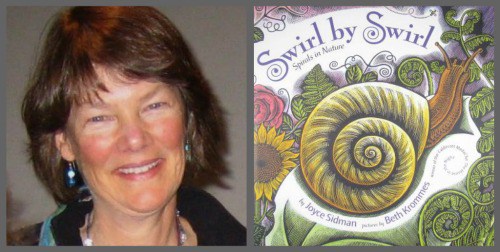
You probably know Joyce’s most recent book, Swirl by Swirl: Spirals in Nature (Houghton Mifflin, 2011), has earned a galaxy of *starred reviews* among many other cool accolades. Let’s all have a Chocolate Peanut Butter Swirl cupcake in Joyce’s honor! (Just for today, you may twirl as you swirl.)

Georgetown Cupcake Peanut Butter Swirls

Since Joyce is extra special, let’s have TWO . . . or THREE! . . . or . . . .

Continue reading

my new go-to autumn recipe: amy traverso’s apple pumpkin walnut muffins

Apples pumpkins pudding and pie.
Love you, pumpkin, apple of my eye.

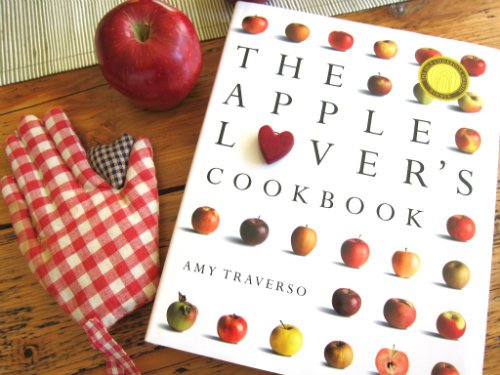
I’m sitting here looking out my office window, sunlight glimmering through gold and russet leaves, with a mug of warm apple cider and a fresh-from-the-oven Apple Pumpkin Walnut Muffin. I finally treated myself to a copy of Amy Traverso’s, The Apple Lovers Cookbook (W.W. Norton & Co., 2011). I’d been hearing such great things about it ever since it was released last year and decided it would be a nice way to celebrate my favorite season.

These muffins seemed like the perfect first recipe for me to try — apples and pumpkins represent the essence of Fall, after all. (I just made a rhyme, did you see that?) Though I’ve baked quite a few pumpkin pies and any number of apple desserts (pies, crumbles, crisps, muffins, cakes), I’d never actually combined pumpkin and apple in the same recipe before. What could be cozier than having Autumn all wrapped up in one cozy, take-it-anywhere muffin?

Just in case you’re not familiar with Amy’s book, it’s easily the most comprehensive, accessible apple companion out there. Not only do you get 100 original recipes, but also a fabulous Apple Primer with in-depth profiles of 59 apple varieties — notes on appearance, taste, texture, as well as history, availability, and best use. The varieties are classified as firm-tart, firm-sweet, tender-tart and tender-sweet, and a cool Cheat Sheet allows you to determine which varieties would be best for each recipe.

Continue reading

unpacking andrea curtis’s what’s for lunch?

I grew up on school cafeteria lunches. For just 25 cents, we got a hot entrée like so-so creole macaroni, Spanish rice or mac and cheese, brown bread and butter, a forgettable veggie, a yummy, to-this-day-coveted shortbread cookie, and a carton of milk.

That the cookie was the best part of lunch says a lot. But 25 cents is 25 cents, an amazing bargain by today’s standards. At least our bellies were full, and we were not tempted by sugary soft drinks or high caloric snacks from vending machines.

It was not a perfect world by any means; there were no discussions about good nutrition either at home or at school. But there was also no “obesity epidemic,” rampant junk food advertising, or a discernible impact on the environment from the vast amounts of packaging waste produced by our global fast food culture. And it simply never occurred to us that we had the right to a healthy school lunch.

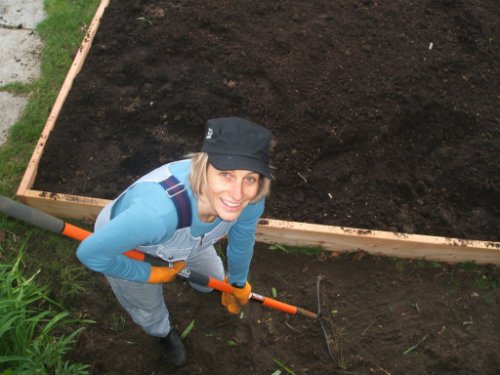
Andrea preparing her small urban backyard veggie patch.

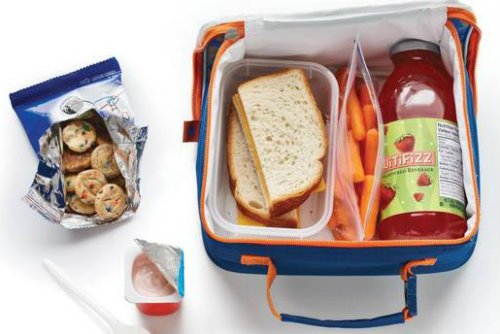
Because it was a constant challenge making school lunches for her two sons every single morning,  Toronto-based writer and editor Andrea Curtis became curious about what kids in other countries were eating. In Canada, 90% of kids bring a home-packed lunch and they’re only given about 10 minutes to eat it! There’s no special lunchroom, so they eat in a crowded gymnasium or at their desks. Even when she packed healthy food her sons really liked, often they didn’t have enough time to finish everything.

“In Canada, one out of four kids is overweight or obese . . . Canadian school boards make hundreds of thousands of dollars a year through vending machine contracts with drink and snack companies.” (Photo by Yvonne Duivenvoorden)

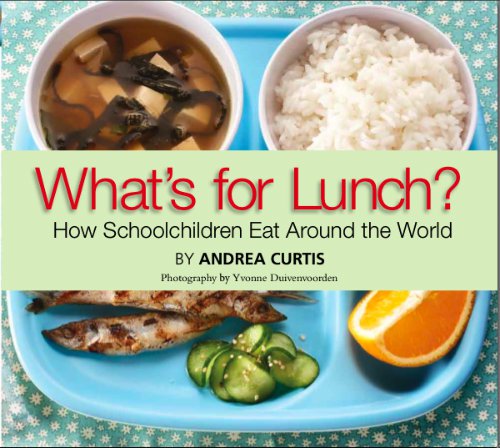
In What’s for Lunch?: How Schoolchildren Eat Around the World (Red Deer Press, 2012), Andrea serves up a fascinating smorgasbord of typical school lunches from 13 different countries. Peering into the lunch trays, bags, bowls and cups of kids from places like Japan, France, Mexico, Brazil, Russia, China and Peru reveals that it’s always about more than just the food itself.

No matter where we live or what we eat, our food is part of a huge, complex global system, with issues connecting and affecting us all, everything from climate change, social justice, inequalities and the plight of farmers to world hunger and diet-related illnesses like diabetes and heart disease.

Continue reading

carlyle house cauldron tea and tour

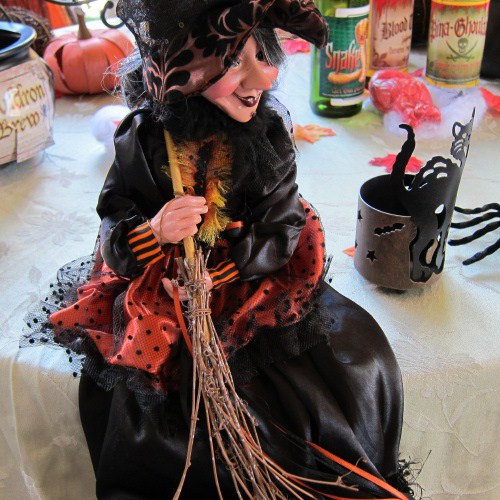
Happy Almost Halloween! 

‘Tis the season to practice your cackles, dust up your brooms, and sip strange brews.

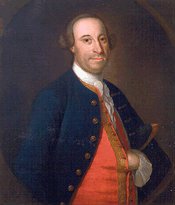
Is he hiding a biscuit in his vest?

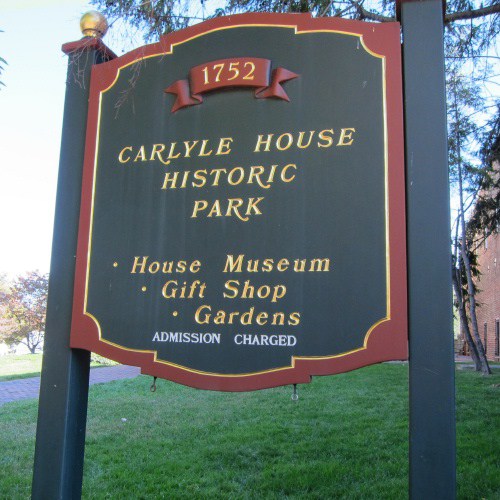
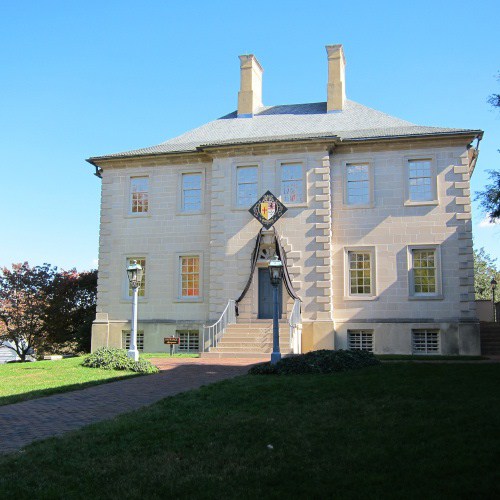
This past Sunday, Len and I headed out to the historic Carlyle House in Old Town Alexandria to attend a Cauldron Tea. I’m always happy to steep myself in the fun of a seasonal tea and this one came with the chance to tour the beautifully restored 18th century Palladian-style home of one of Alexandria’s founders, John Carlyle, a wealthy merchant who apparently knew how to invest his shillings and have a really good time.

We arrived a little early, so we strolled around the lovely 3/4 acre garden, which showcases plant materials available to Carlyle during the time of his residency. We were greeted by the chitter chatter of hundreds of birds, no doubt exchanging Sunday pleasantries and engaging in mini-debates (we are a swing state after all). I’d been to Old Town countless times, but never knew this sweet little haven was here. Perfect spot for a tête-à-tête!

* * * * *

Continue reading