
“The hurt you embrace becomes joy.” ~ Rumi

I’m happy to welcome Wisconsin poet Andrea Potos back today to answer a few questions about her latest book, Her Joy Becomes (Fernwood Press, 2022).
Just as Keats once wrote, “A thing of beauty is a joy for ever,” Andrea writes, “nothing of beauty is ever wasted.”
Embracing beauty and choosing joy, even in the face of loss and despair, are prevailing themes. Safe to say, each fully realized lyrical gem in this collection is a thing of beauty. Andrea’s prologue:
Gathering

As you begin, look just slant,
the same way one should not look directly
into the sun's gaze.
Graze with your consciousness,
keeping your hands nimble, your reach a fluency
of light as words begin to sift
and fall and settle where they
know they belong.
A thread of female kinship and connection is woven throughout the book, whether familial (grandmother, mother, daughter), or literary (Dickinson, Alcott, Brontës, Dorothy Wordsworth). Loved ones deeply missed as well as writers who came before inhabit introspective “rooms of thought,” informing Andrea’s poetic sensibility, igniting her imagination.
As a sentient witness of life’s ordinary miracles, she finds magic in an iridescent soap bubble and revels in freshly washed laundry flapping on the line (“releasing their music of fabric to the air”). She experiences unexpected epiphanies as peonies bloom and a lone cardinal sings of her late mother’s loving divinity.
Intimate and accessible, these poems quietly resonate. Are you turning into your mother? Remember the thrill of new patent leather Mary Janes or the heyday of Laura Ashley dresses? Like prayer, attentiveness, and humility, taking joy is a practice worth cultivating. Moreover, poetry heals, gently guiding us on the path towards wholeness.
Here’s the lovely opening poem:
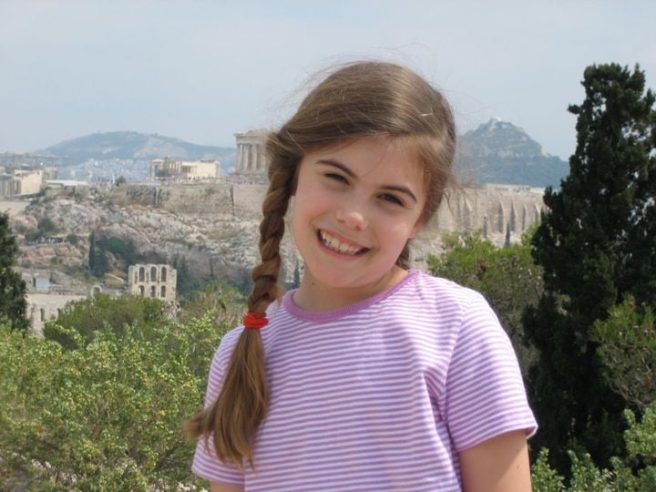
ABUNDANCE TO SHARE WITH THE BIRDS

Another early morning
in front of the bathroom mirror --
my daughter making faces
at herself while I pull
back her long brown hair,
gathering the breadth and shine
in my hands, brushing
and smoothing before weaving
the braid she will wear
to school for the day.
Afterward, stray strands
nestle in the brush, and because
nothing of beauty is ever wasted,
I pull them out,
stand on the porch and let them fly.
*
Continue reading Jama's Alphabet Soup