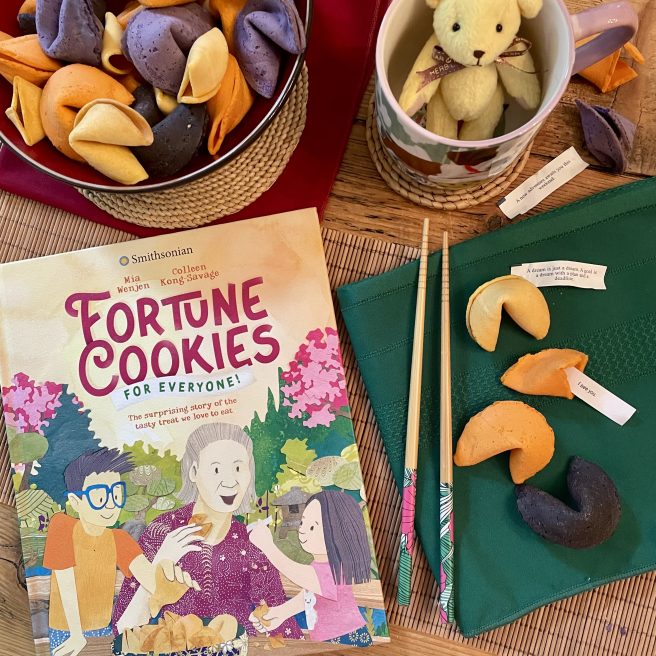
[crunchy review] Fortune Cookies for Everyone! by Mia Wenjen and Colleen Kong-Savage

Everyone looks forward to cracking open a fortune cookie after finishing a mouthwatering Chinese meal. What does the future hold (“You will meet a handsome stranger”)? What handy bit of wisdom awaits (“A closed mouth gathers no feet”)?

While we all enjoy these fun and pithy messages, it’s logical to assume fortune cookies are a Chinese invention, when in fact they most likely originated in Japan. What’s more, most people in China haven’t even heard of fortune cookies, let alone eaten them! 😯

In Fortune Cookies for Everyone!: The Surprising Story of the Tasty Treat We Love to Eat (Smithsonian/Red Comet Press, 2025), Mia Wenjen and Colleen Kong-Savage serve up a captivating intergenerational tale flavored with sides of history, mystery, and cultural pride. Learning about a food’s interesting backstory makes it even tastier, don’t you think?
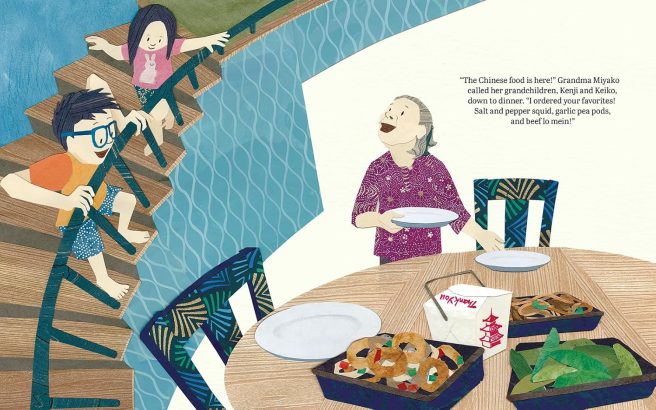
As the story opens, Grandma Miyako has ordered Chinese takeout for her grandchildren Kenji and Keiko. After they’ve feasted on their favorites — salt and pepper squid, garlic pea pods, and beef lo mein — she hands them their fortune cookies, mentioning that she knew who invented them.

The kids are excited to hear more about that in the “long and twisty story” Grandma tells using her scrapbook. When she was a girl, Makoto Hagiwara, the man who ran the Japanese Tea Garden in Golden Gate Park, served tea with miso-flavored fortune cookies he made by hand using a kata (iron mold).
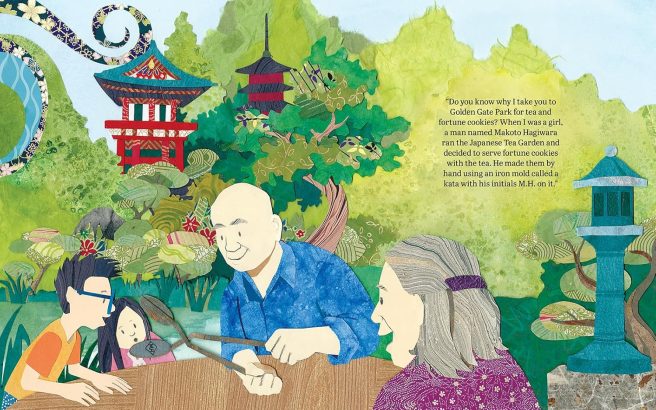
Because the cookies were so popular, Hagiwara asked Grandma’s best friend Yukiko’s father (who owned a bakery) to help him. Mr. Okamura was happy to do so, suggesting they change the cookie flavor to sweet vanilla and butter to make them more appealing to Americans.

Continue reading

[tasty review] Miso Magic by Moni Ritchie Hadley and Mizuho Fujisawa

What kind of food do you most like to eat when dining out? For me, it’s Japanese. Maybe it’s because I like fish and dishes that aren’t smothered in rich, heavy sauces. Perhaps it’s the artful plating of fresh, healthy ingredients that showcase their colors and textures (we eat first with our eyes). Or what about those lacquered bento boxes — just-right portions nestled in cute little compartments — so neat and organized! Moreover, after a Japanese meal I feel satisfied but not stuffed, and more often than not, the overall experience is calm and relaxing.

A bowl of warm, restorative miso soup is the perfect prelude to a delicious Japanese meal, priming the palate for the goodness to come. I enjoy nibbling on the little cubes of tofu and wakame strips while stirring the broth with my chopsticks, then savoring each sip (no matter the restaurant, it’s usually just the right temperature too!). Ahhhh . . . so good!

Much as I love Japanese food, I actually didn’t know how miso was made until I read Miso Magic by Moni Ritchie Hadley and Mizuho Fujisawa (Albert Whitman, 2024), a tender father-daughter story about family traditions and cultural heritage flavored with a gentle lesson in patience.

As the story opens, young Chiyoko is anxious to build a snowman with Papa to celebrate the first snowfall of the year, but Papa says it’s time for her to learn the family business of miso making. They head for the misogura (work barn), where she learns how to clean the tubs for making kōji, an edible mold that’s the secret to miso’s umami flavor.

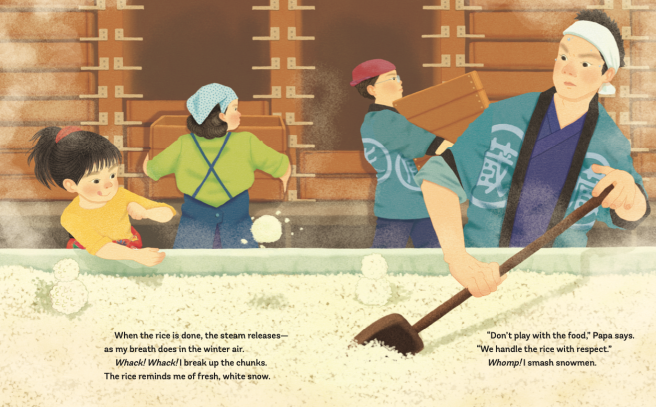
Despite Papa’s enthusiasm, Chiyoko remains unimpressed with the prospect of tasting miso made with her own hands, and watches passively while Papa pours rice into a big tub of water. While the rice cooks, they shell soybeans, and once it’s done, Papa spreads the rice on a large tray to release the steam.

Since it reminds Chiyoko of fresh, white snow, she whacks at the rice to break up the chunks and to smash “snowmen.” Papa tells her not to play with the food: “We handle the rice with respect.” He sends her outside for a time out.

Continue reading

[review] Disgustingly Delicious by Soledad Romero Mariño and Montse Galbany

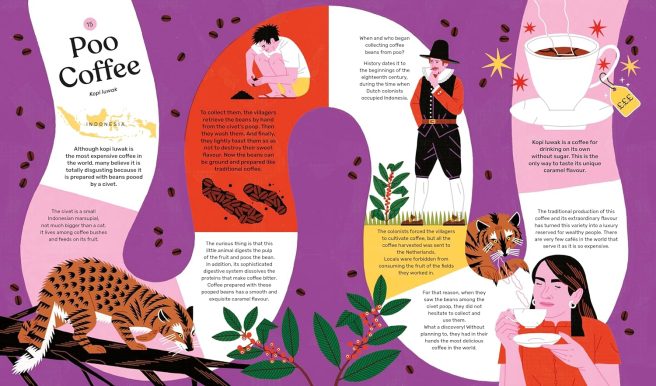
Hungry? May I interest you in a warm bowl of Stewed Cow’s Intestines, a very smelly Fermented Bird, or even better, a crunchy Fried Tarantula?

Chances are good you’ve yet to eat any of these rare delicacies. Well, what are you waiting for?

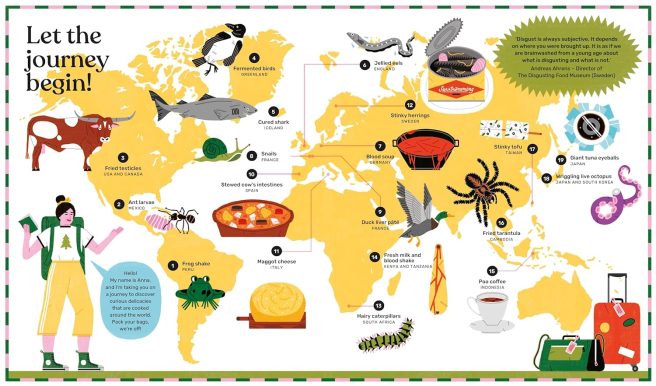
Here’s your chance to get a little taste: in Disgustingly Delicious: The Surprising, Weird and Wonderful Food of the World (Orange Mosquito, 2023), Soledad Romero Mariño and Montse Galbany serve up a tantalizing platter of 19 international dishes that’ll make your mouth water and your stomach growl (well, maybe) . . .

Our guide for this culinary adventure is backpack-toting Anna, who at the outset shares a quote from Andreas Ahrens, Director of the Disgusting Food Museum in Sweden:

Disgust is always subjective. It depends on where you were brought up. It is as if we are brainwashed from a young age about what is disgusting and what is not.

So true — it’s important to keep in mind that there are people out there who consider something we love to eat disgusting too!

From Frog Shakes in Peru to Giant Tuna Eyeballs in Japan, we learn how these foods are sourced and prepared, along with facts about historical origin and cultural relevance. Dishes span five continents: North America, South America, Europe, Africa, and Asia.

Continue reading

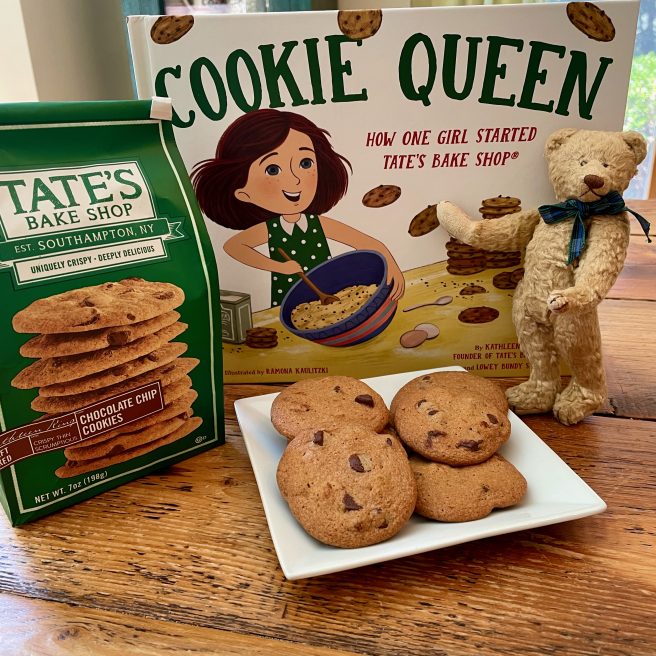
a delicious bite of Cookie Queen by Kathleen King, Lowey Bundy Sichol, and Ramona Kaulitzki

How do you like your chocolate chip cookies? Soft and chewy or thin and crispy? In all my years of cookie baking, I’ve strived for thin and crispy with only moderate success. Granted, all homemade chocolate chip cookies are good when they’re warm from the oven (hello, gooey melty chocolate and buttery crumb). The true test, however, is after they’ve cooled.

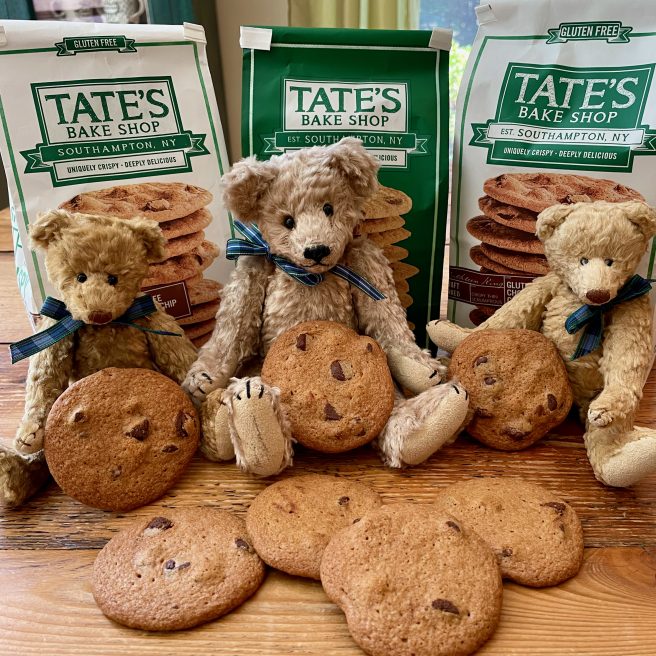
All I can say is thank goodness for Tate’s Bake Shop®️. We always have a bag or two or three of their Gluten Free Chocolate Chip Cookies in the house. In fact, we prefer them over their original Chocolate Chip. Thin and buttery with just the right crunch, they taste homemade.

I first “discovered” them after googling “Best Gluten Free Chocolate Chip Cookies” about ten years ago. Tate’s was the hands down favorite, or else was included in the top five on most lists. So we tried a bag and have never looked back.

Continue reading

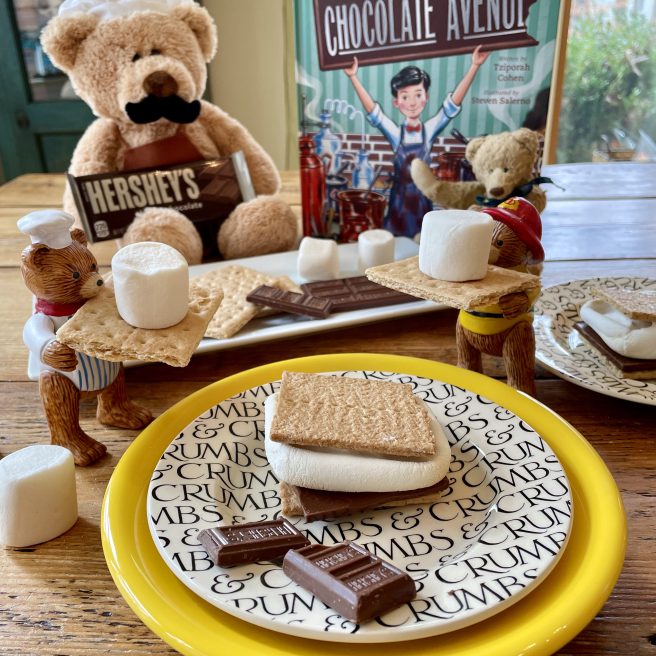
[sweet review] On the Corner of Chocolate Avenue by Tziporah Cohen and Steven Salerno

“One is only happy in proportion as he makes others feel happy.” ~ Milton Hershey

Go ahead: break off a piece of Hershey bar and savor its rich chocolaty goodness as it slowly melts in your mouth. Mmmmmm! Did you know those rectangular sections are called ‘pips’? 🙂

Hershey’s chocolate defined my childhood.

When I was growing up, I simply had to have a Hershey’s Milk Chocolate bar whenever I went to the movies or had extra money from my allowance. So much happiness for just a nickel!

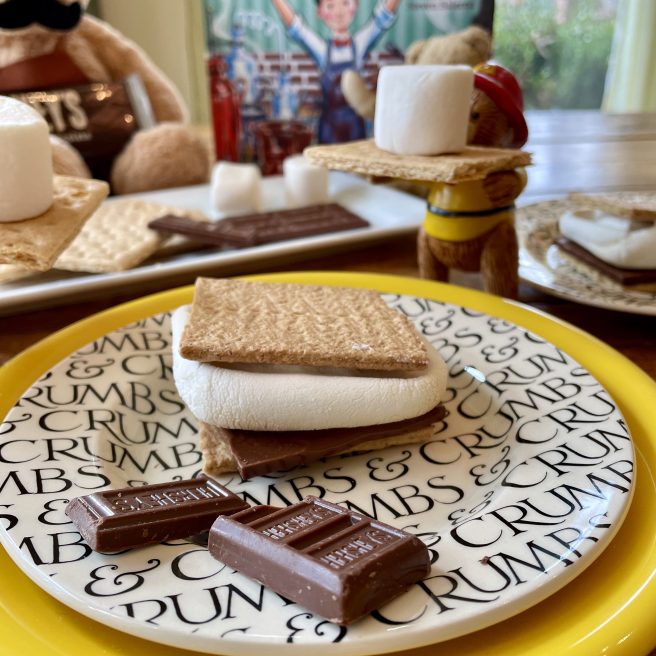
We poured Hershey’s syrup into cold milk and over vanilla ice cream, and I’ll always remember the first time I made and devoured my first S’more at Campfire Girls day camp. Marry me, please. And best of all, every Christmas, Grandma Yang would give a five pound box of Hershey’s Kisses to each of her eleven children and their families. The holidays wouldn’t have been the same without those sweet kisses.

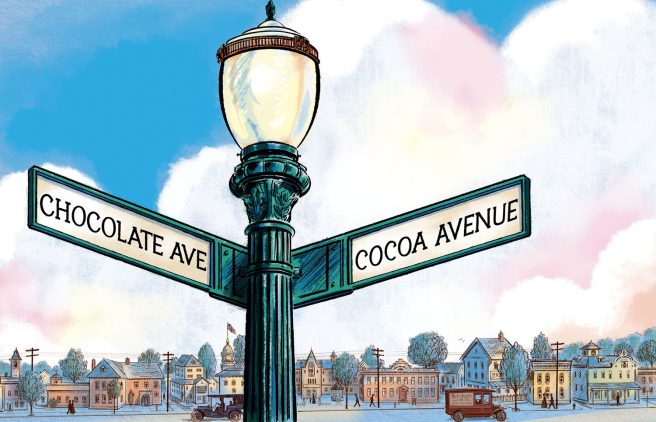
You can see why I was excited to see this brand new picture book biography, On the Corner of Chocolate Avenue: How Milton Hershey Brought Milk Chocolate to America by Tziporah Cohen and Steven Salerno (Clarion Books, 2022). Though a longtime Hershey’s fan, I actually knew very little about the life of America’s Chocolate King.

Through hard work and perseverance, a poor boy from Derry Township, Pennsylvania – one who probably never tasted chocolate as a child – grew up to create a chocolate empire as a pioneering confectioner, resilient businessman, and dedicated philanthropist. 

Hershey’s achievements in mass production and bulk export helped to popularize chocolate around the world, making it accessible and affordable for the average consumer.

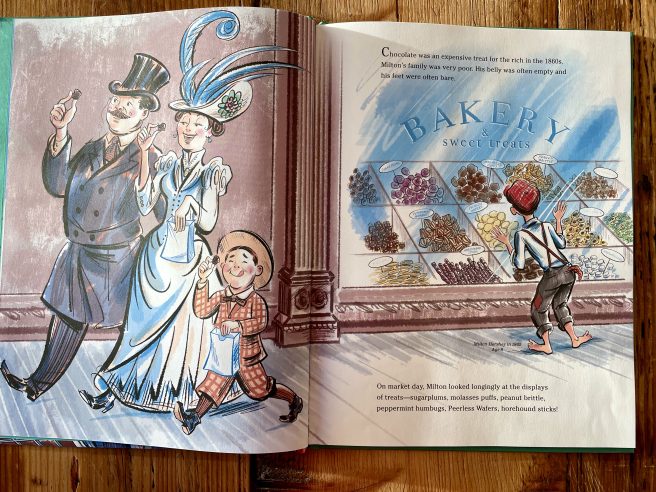
As the story opens, we see 8-year-old Milton gazing longingly at the sweets displayed in a shop window. Chocolate is a treat solely for the wealthy, and Milton was from a poor family. Since they moved around a lot, he attended six schools in seven years, barely learning how to read.

At age 14, he left school to help support his family. After a brief stint as a printer’s apprentice, he worked at Royer’s Ice Cream Parlor and Garden, where he learned the basics of candy making (ice cream, taffy, lollipops, marshmallows). Seeing candy’s power to make people happy, he decided it would be wonderful to build his own candy business.

Several years later, he borrowed money from his family to open the Spring Garden Confectionery Works in Philadelphia. Unfortunately, this business, as well as two others he started in Chicago and New York, failed.

Continue reading