
BLUES
by Elizabeth Alexander

I am lazy, the laziest
girl in the world. I sleep during
the day when I want to, 'til
my face is creased and swollen,
'til my lips are dry and hot. I
eat as I please: cookies and milk
after lunch, butter and sour cream
on my baked potato, foods that
slothful people eat, that turn
yellow and opaque beneath the skin.
Sometimes come dinnertime Sunday
I am still in my nightgown, the one
with the lace trim listing because
I have not mended it. Many days
I do not exercise, only
consider it, then rub my curdy
belly and lie down. Even
my poems are lazy. I use
syllabics instead of iambs,
prefer slant to the gong of full rhyme,
write briefly while others go
for pages. And yesterday,
for example, I did not work at all!
I got in my car and I drove
to factory outlet stores, purchased
stockings and panties and socks
with my father's money.

To think, in childhood I missed only
one day of school per year. I went
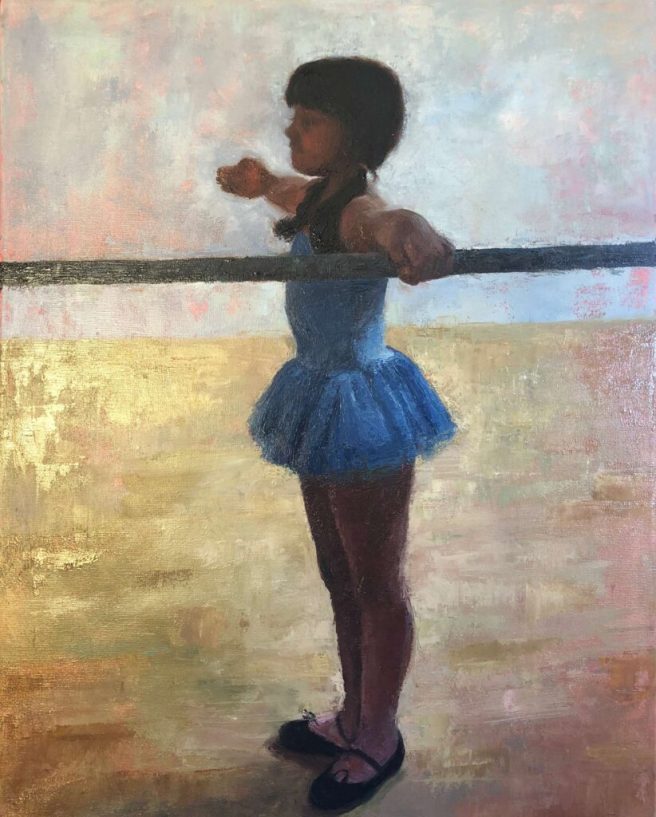
to ballet class four days a week
at four-forty-five and on
Saturdays, beginning always
with plie, ending with curtsy.
To think, I knew only industry,
the industry of my race
and of immigrants, the radio
tuned always to the station
that said, Line up your summer
job months in advance. Work hard
and do not shame your family,
who worked hard to give you what you have.
There is no sin but sloth. Burn
to a wick and keep moving.

I avoided sleep for years,
up at night replaying
evening news stories about
nearby jailbreaks, fat people
who ate fried chicken and woke up
dead. In sleep I am looking
for poems in the shape of open
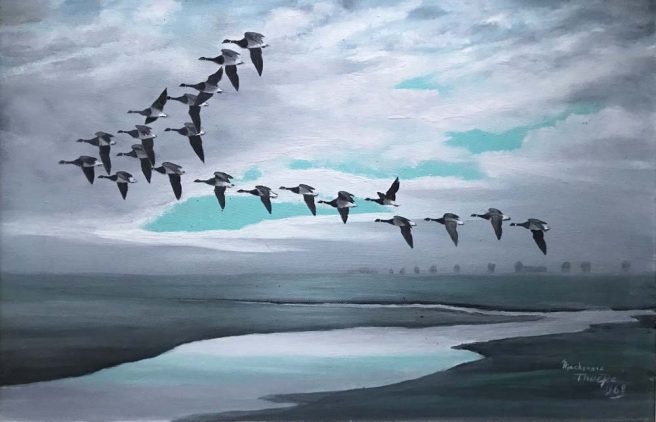
V's of birds flying in formation,
or open arms saying, I forgive you, all.

~ from Body of Life (Tia Chucha Press, 1996).
*

The first line of the poem made me smile — maybe I totally related to being lazy too? 😀 I nodded in recognition at the cookies and milk, the ‘consideration’ of exercise, the chastising of myself for eating unhealthy foods. I thought this was going to be a humorous poem.
And then in the second half, the tone shifted as the poem’s speaker related her childhood, how she was raised to work hard and be diligent in all things. She sought absolution in poetry for not living up to a certain standard, and I began to wonder . . .
Should the poem be read at face value — that this person has simply resigned to being slothful, in effect, saying, ‘How times have changed, I used to be so good”?
Or — is the speaker exaggerating in a conversational, self-deprecating way? Declaring oneself as “the laziest girl in the world” is quite something. Sometimes we are hardest on ourselves; we can be our own worst critics. This is often true of brilliant, successful people, who might over-analyze their “faults.” Even with enviable achievements, they might think to themselves: “I could have/should have done better.”
I also sense the poem speaks to what happens as we age and circumstances change. Out of necessity, we have to adjust our goals, let some things go, find balance and feasibility. Maybe the speaker was lamenting this loss of original purpose, discipline and vigor? The poem is called “Blues” after all.

Part of me thinks if this person was truly slothful, she would not have the self awareness to recognize it with regrets, but simply carry on.
I went back and forth with this poem but one thing is certain. It reminded me of the redemptive power of poetry, as it can show us that being imperfect means being human.
What do you think? Is the speaker being hyperbolic for comic/ironic effect, perhaps to assuage her guilt? Do you lament over what you once were vs. how you are now? How common is it for people to start out one way and end up being completely the opposite?
*

Lovely and talented Tabatha Yeatts is hosting the Roundup at The Opposite of Indifference. Zip on over and check out the full menu of poetic goodness being served up around the blogosphere this week. Happy October!
*
*Copyright © 2024 Jama Rattigan of Jama’s Alphabet Soup. All rights reserved.
 Jama's Alphabet Soup
I think, “I use
syllabics instead of iambs,
prefer slant to the gong of full rhyme,” are brilliant lines.
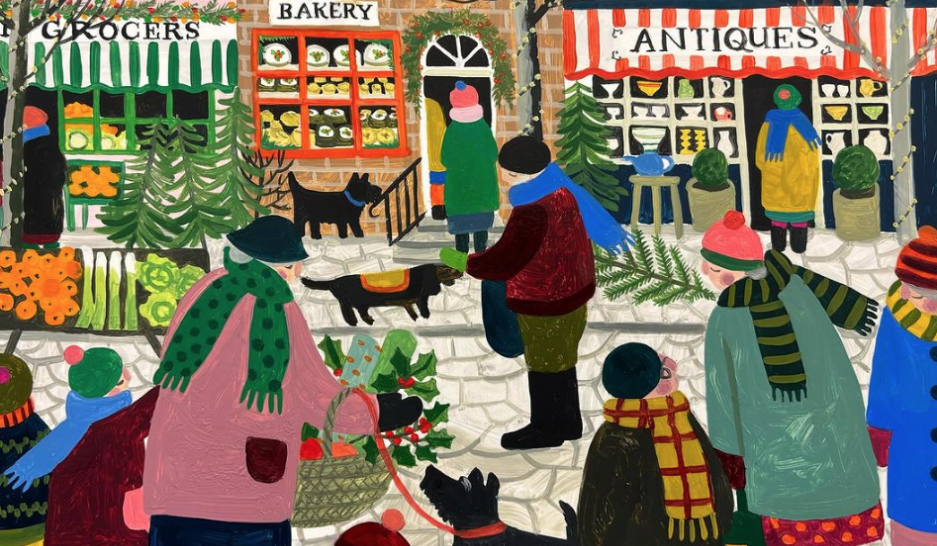
And, I agree with you. I was smiling as I dove into this poem but by, “with father’s money” and all that came after I was feeling the weight of regret in the speaker. I love the paintings you selected for this poem. I look forward to coming back at the end of my day and reading this again to see if it rings the same as it did this early morning. I’ll be pondering this one.
LikeLiked by 1 person
Agree — those are great lines! There’s definitely a tone of regret but I still wonder if there is resignation.
LikeLike
Thank you for sharing this poem and your interesting insight and questions. I agree with Linda. So much to ponder here. Cathy
LikeLiked by 1 person
The beauty of this poem is how it’s open to many different interpretations. I guess Alexander wants us to keep pondering and reflecting. 🙂
LikeLike
Thanks for sharing this gorgeously, slightly melancholic poem that holds so much inside for us to ponder. I especially like the uplifting ending. The Art is lovely, Valadon’s painting looks so contemporary, and all the it’s of blue 💙!
LikeLiked by 1 person
Yes, the poem ends on a hopeful, wistful note — lovely image.
LikeLike
I think this poem depicts the way women see themselves. We are so hard on ourselves. I just feel like we sometimes think we don’t have the right to do something for ourselves, even if it’s being lazy for a day. Thanks for sharing, Jama. Have a great weekend.
LikeLiked by 1 person
Yes, I also got the sense the poem’s speaker was being too hard on herself, too critical. That’s what makes it relatable, whether we consider ourselves slothful or not.
LikeLike
It feels to me that this is one day she’s giving herself, that day to be full of sloth & pondering her life from “used to be”. My husband & I have talked in the past of the challenges in life of “should-a, would-a, could-a”, the weight of those thoughts. Thanks for this thoughtful post, Jama, and for sure, all the blue!
LikeLiked by 1 person
I think sometimes we all feel like we need a chance to let go of perfection, whether it’s just a day or a short period of time. It’s hard to live up to such high standards for an entire lifetime.
LikeLiked by 1 person
Lovely poem and art! I can relate to the guilt and shame–working on mindful self-compassion :). Thanks for sharing, Jama.
LikeLiked by 1 person
The burdens of guilt and shame — we know it all too well. Good to hear you’re working on being easier on yourself.
LikeLike
This poem makes me think of my own considerings of exercise and love affair with butter and sour cream. It also reminds me of my mother, who is 87 and tired all the time but still laments not being productive enough, not getting more things done. I tell her that you’re allowed to retire when you’re 80, if not sooner, but it doesn’t help much!
LikeLiked by 1 person
I hear you on the butter and sour cream thing — the general guilt from eating what is considered unhealthy foods. It’s always a challenge — life is short after all. Hugs to your mom, I can understand her frustration. It seems the older one gets, the longer it takes to get simple things done, and the faster time flies.
LikeLike
I looked up Elizabeth Alexander, as I had just come across one of her poems in the Civil Rights Museum at the Southern Poverty Law Center. I hope to explore more of her work. But what I read about this volume, “Body of Life” was her desire to draw attention to “the ongoing public preoccupation with the black body.” I feel like that second stanza comes from trying to embody the outsider’s (read: white) perspective of laziness. Such a courageous voicing!
LikeLiked by 1 person
What great insights, Patricia! I can see trying to live up to “white” standards of beauty and industry could be part of the poem’s message. I just reread the first stanza — could this be the speaker voicing how white people view black women instead of how she views herself? There is a trope/stereotype that blacks are lazy too. So maybe this is kind of a social protest poem too. So many layers!
LikeLike
Thank you for this contemplative poem, Jama, and the beautiful accompanying artwork. I reread after reading Patricia’s comment. The last line feels like a call to action:
“In sleep I am looking
for poems in the shape of open
V’s of birds flying in formation,
or open arms saying, I forgive you, all.”
LikeLiked by 1 person
I agree that it could be a call to action. There is no winning on this issue of self acceptance or even societal acceptance — but in poems, or art in general, maybe one can find peace and forgiveness.
LikeLike
For me, it sounds like that private pride in doing what you want and appreciating what you are, while acknowledging that society doesn’t see you that way. But I could be totally wrong. That ending is amazing!
LikeLiked by 1 person
The more I read the poem, the more I agree with what you’re saying, Laura. Living up to society’s standards can be hard, impossible.
LikeLike
Jama, this poem is unique. I have pondered its message and reread its lines. The V formation, open arms, forgiveness speaks to a change in life – seeking something other than her present feelings??? The title made me feel that she was sad and the first stanza made me think the author was being humorous: ’til my face is creased and swollen, ’til my lips are dry and hot.” I kept going back to this line: “It reminded me of the redemptive power of poetry, as it can show us that being imperfect means being human.” Thanks for the time to read and reread.
LikeLiked by 1 person
Thanks for your thoughts and reactions, Carol. I like the idea of the poem’s speaker seeking a means of self acceptance. Poems are good escapes sometimes; they allow us to transcend reality and hope for/dream of better things.
LikeLiked by 1 person
So interesting and so many different angles from which to approach. I initially ran the gamut, as you did, Jama, from humor and hyperbole to an attitude of regret, perhaps? But as I reread it a couple more times, what jumped out at me was the ending —
“open arms saying, I forgive you, all.”
I see it as her yearning to forgive all those who pushed her into a particular way of living, of being. Maybe American hustle culture has killed more people than butter and sour cream have. 🙂
LikeLiked by 1 person
Oh, wow — yes, that’s certainly a possibility! Hadn’t thought of that. Makes a lot of sense. Thanks for your careful reading!
LikeLike
Funny, I had a different read! I thought she was rebelling against having been pushed so hard. I don’t think she thinks “Burn to a wick and keep moving” is a good idea. There are plenty of sins other than sloth. My interpretation is that SHE is forgiving the people who pushed her so hard, the people who made her stay up late, working, fearful, guilty. She said the heck with that, but I forgive you. Thanks for making us think, Jama!
LikeLiked by 1 person
So interesting! This is the reason I keep waffling over this poem. I like your take — she’s rebelling and defiant, in effect, saying, I can be a sloth if I want to! It’s like she’s done a complete 180 from how she was brought up, and came to a point of self realization. Thanks, Tabatha!
LikeLike
This is a beautiful and wistful poem, as others have said. I hear resignation and acceptance near the end. I think, as you said, it might be part of what we all go through as we age. I’l have to come back and read it again. Thanks for sharing it.
LikeLike